There’s nothing worse than a Texas summer with an AC that won’t keep up. Before you panic and call for an emergency repair, it helps to understand what’s actually going wrong. Most cooling issues fall into one of a handful of categories, and knowing which one you’re dealing with can save you time, and sometimes money.
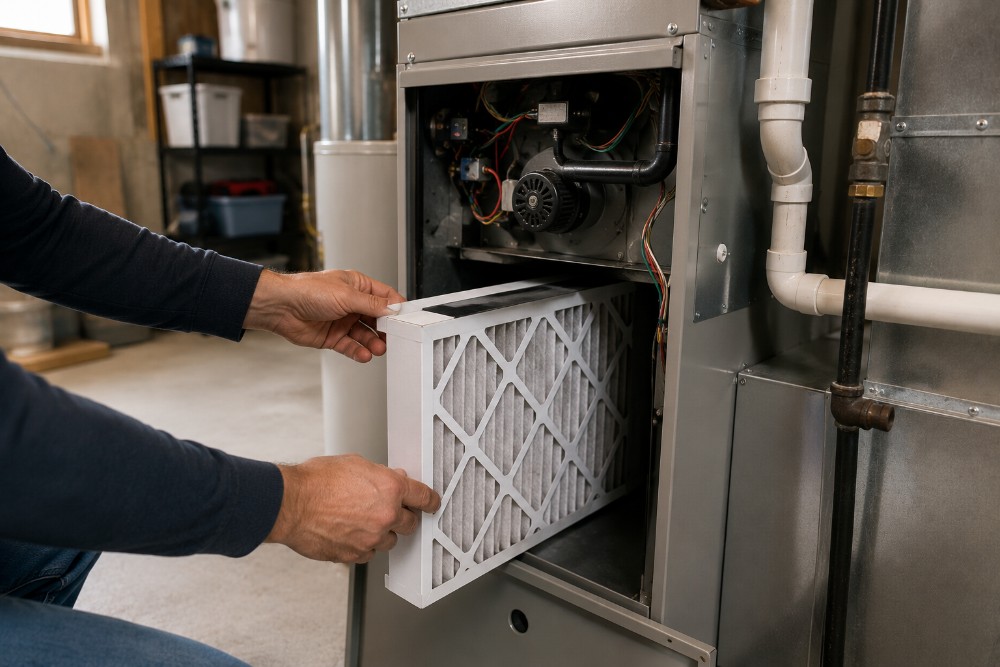
Dirty or Clogged Air Filter
A clogged filter restricts airflow across the evaporator coil, which can cause it to freeze up and stop cooling altogether. This is the single most common cause we see, and the easiest to prevent. Check your filter monthly and replace it every 60-90 days.
Low Refrigerant
Refrigerant doesn’t get “used up” like fuel, so low levels almost always mean there’s a leak somewhere in the system. A technician can locate the leak, repair it, and recharge the system to the manufacturer’s specification.
A Failing Capacitor
Capacitors give your compressor and fan motors the jolt of energy they need to start. When one fails, you’ll often hear a humming sound but nothing will actually spin. This is a quick, affordable fix for a licensed technician.
A system that short cycles, turning on and off every few minutes, is working harder than it should and wearing out faster. Don’t ignore it.
Blocked Outdoor Condenser Unit
Leaves, grass clippings, and debris around your outdoor unit block the airflow it needs to release heat. Keep at least two feet of clearance on all sides and hose it down gently each season.
Thermostat Issues
Sometimes the problem isn’t the AC at all. Dead batteries, incorrect settings, or a miscalibrated sensor can all make it seem like your system has stopped cooling when it’s actually just not being told to.
Leaky or Poorly Insulated Ductwork
Cool air escaping through gaps in your ductwork before it reaches your rooms means your system runs longer to hit the same temperature. A duct inspection can catch leaks that are easy to seal.
An Aging or Undersized System
If your system is over 12-15 years old, or was never sized correctly for your home, it may simply be unable to keep up on the hottest days no matter how well it’s maintained. A load calculation from a technician can confirm whether replacement makes more sense than another repair.
When to Call a Professional
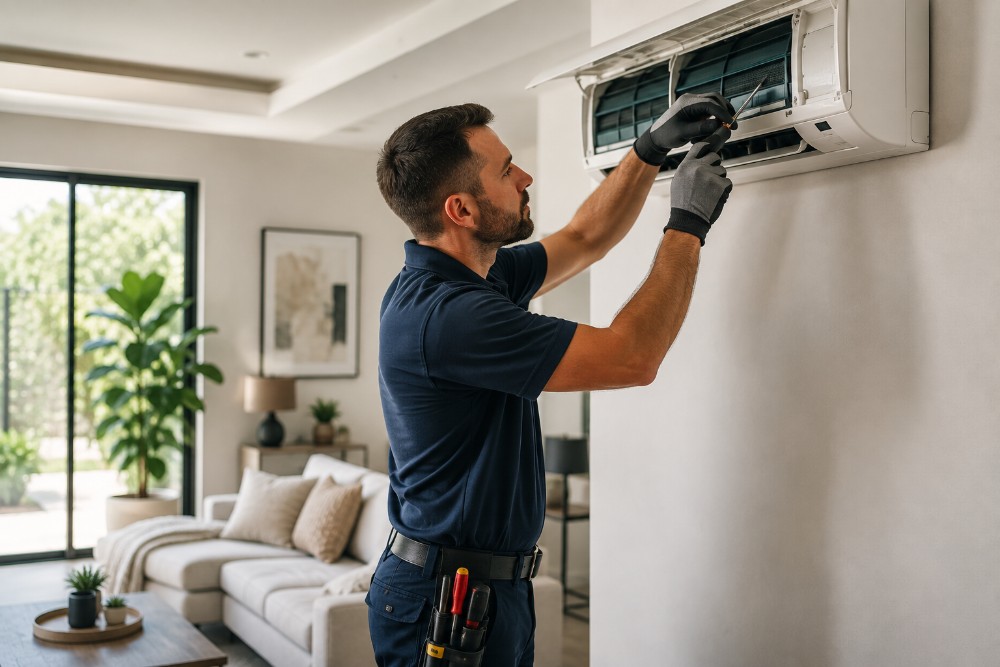
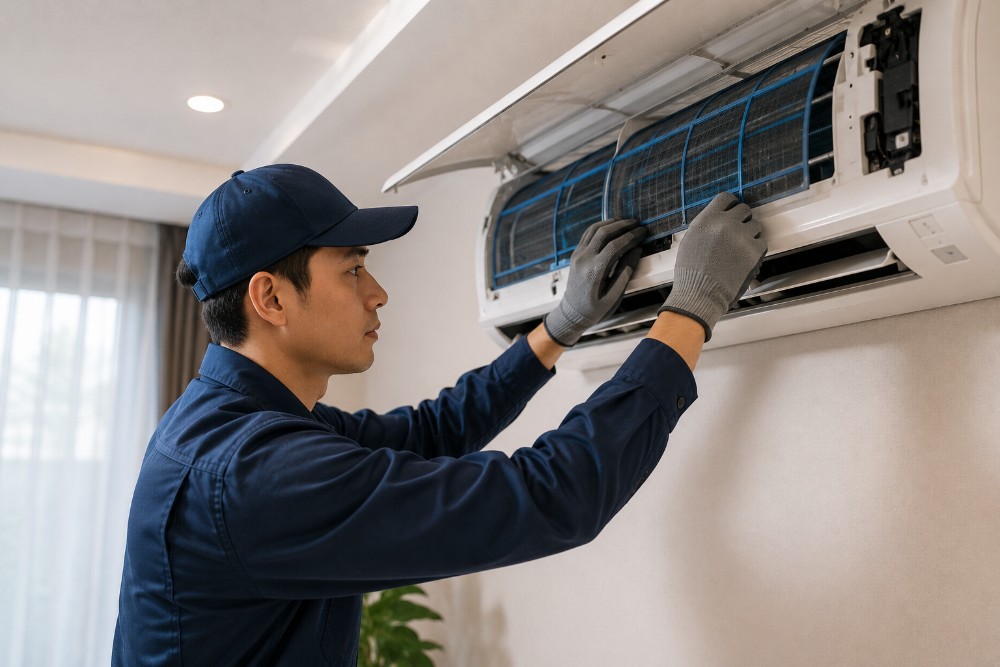
Filter changes and clearing debris are safe DIY tasks. Anything involving refrigerant, electrical components, or the compressor should always be left to a licensed technician, both for your safety and your system’s warranty.