The first heat wave of the season is the worst time to discover your AC has a problem. Running through a short checklist before temperatures spike can catch issues while they’re still easy and inexpensive to fix.
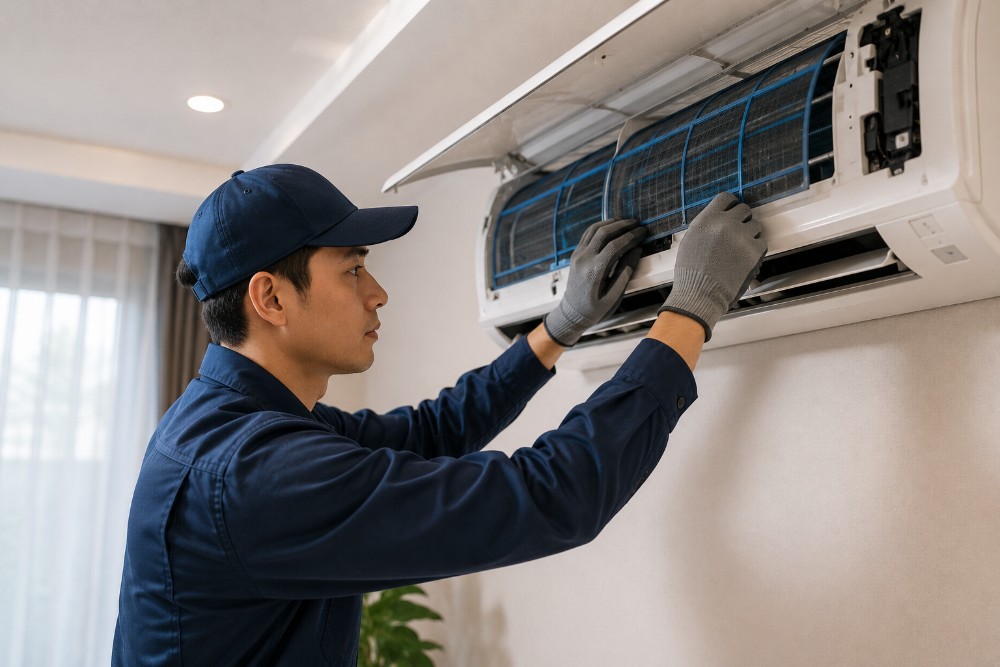
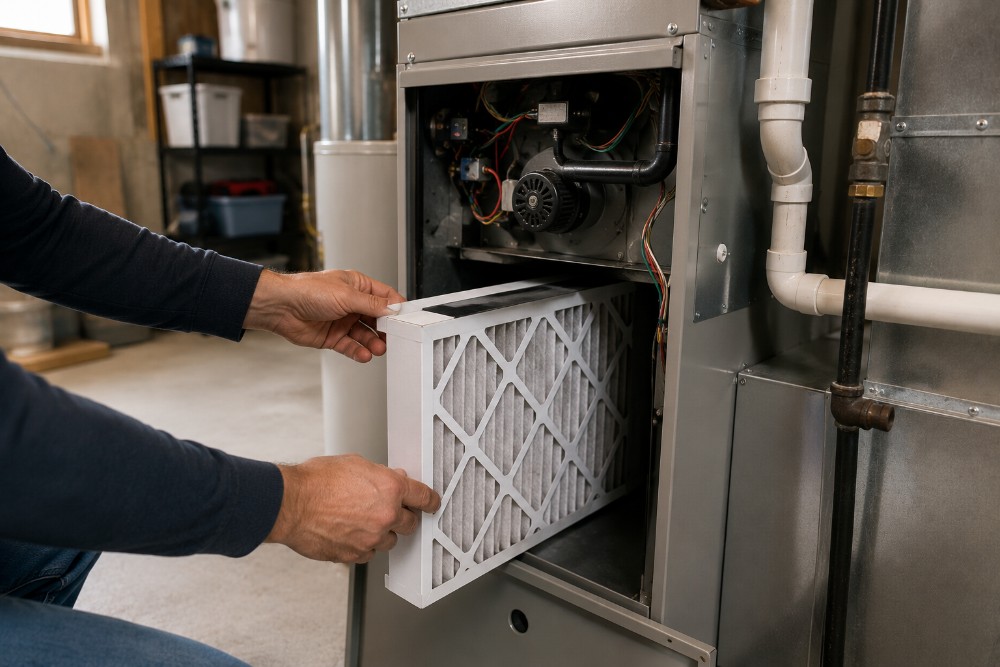
Replace the Air Filter
A fresh filter at the start of the season ensures your system isn’t fighting restricted airflow right as cooling demand increases. This is the simplest step and takes only a few minutes.
Clear Debris From the Outdoor Unit
Leaves, grass clippings, and plant growth can build up around your condenser over the off-season. Clear at least two feet of space on all sides so the unit can release heat efficiently.
Test the System Before It Gets Hot
Turn your AC on during a mild day, before you actually need it, and let it run for 15-20 minutes. This gives you a chance to catch unusual noises, weak airflow, or a lack of cooling while there’s no urgency to fix it.
A system tested in April has time for a scheduled repair. The same system tested for the first time in a July heat wave often means an emergency call and a longer wait.
Check Your Thermostat Settings
Confirm your thermostat batteries are fresh, if applicable, and that your schedule reflects your summer routine rather than a leftover winter setting.
Inspect Visible Ductwork
Look at any accessible ductwork for obvious gaps, disconnections, or damage. Leaks here mean cool air escaping before it ever reaches your rooms.
Listen and Watch for Warning Signs
Grinding, squealing, or rattling noises, along with weak airflow or water pooling near the indoor unit, are all signs worth addressing before the system runs constantly through summer.
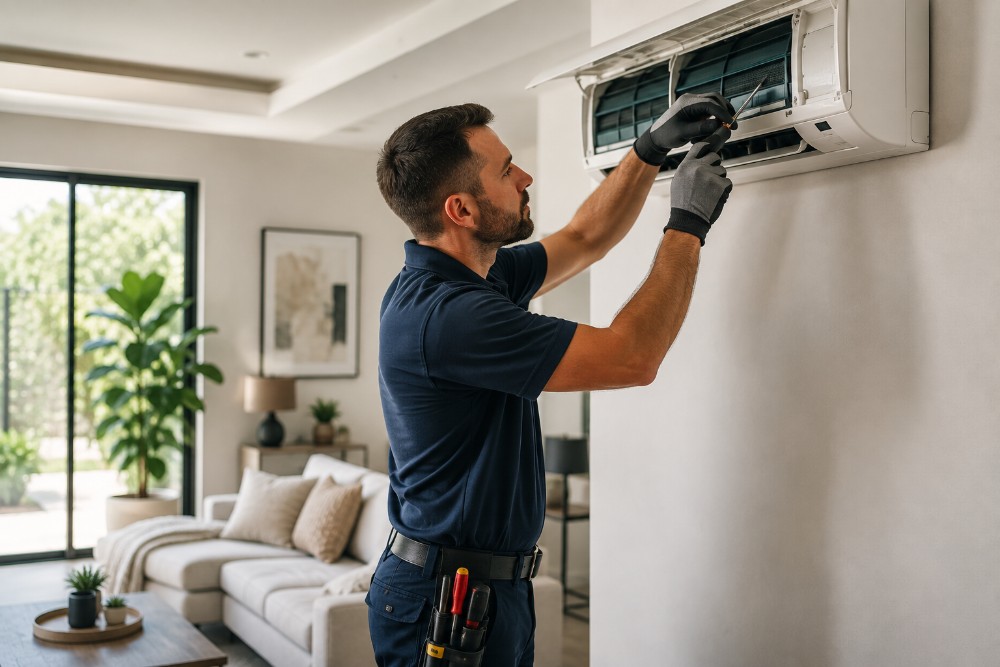
Schedule Professional Maintenance
A seasonal tune-up covers what a homeowner can’t check alone, refrigerant levels, electrical connections, and coil condition, catching small issues before they become breakdowns.
When to Call a Professional
If your test run reveals weak cooling, strange noises, or your system hasn’t been serviced in over a year, scheduling a professional tune-up before peak season begins is the safest move.